
For university recruiters, the job didn’t get smaller. It got harder.
Entry-level headcount is tighter at many companies, and AI is changing what junior roles look like. Leadership wants proof that campus programs are worth the investment. Students, meanwhile, are applying to more roles, with more AI-assisted applications, for fewer openings.
Cutting the program to match the reqs is the obvious response. It’s usually the wrong one. Campus relationships take years to build and very little time to lose, and when hiring returns, the companies that disappeared start over.
Here’s how strong programs are adapting instead.
1. Go deeper with fewer schools
When volume drops, breadth gets expensive. Many teams are narrowing their school list and investing more in the institutions where they have real relationships: faculty connections, student organizations, career services partners, and a track record of hires who succeeded.
Choosing those schools on outcomes, not prestige, is the key move. Which schools produced hires who are still with you in year two?
2. Make internships the main pipeline
With fewer full-time openings, internships carry more weight. They’re a lower-risk way to evaluate talent, and conversion is often the most efficient way to fill entry-level roles. That raises the bar on internship design: real work, real feedback, and a clear decision process at the end.
3. Partner beyond career services
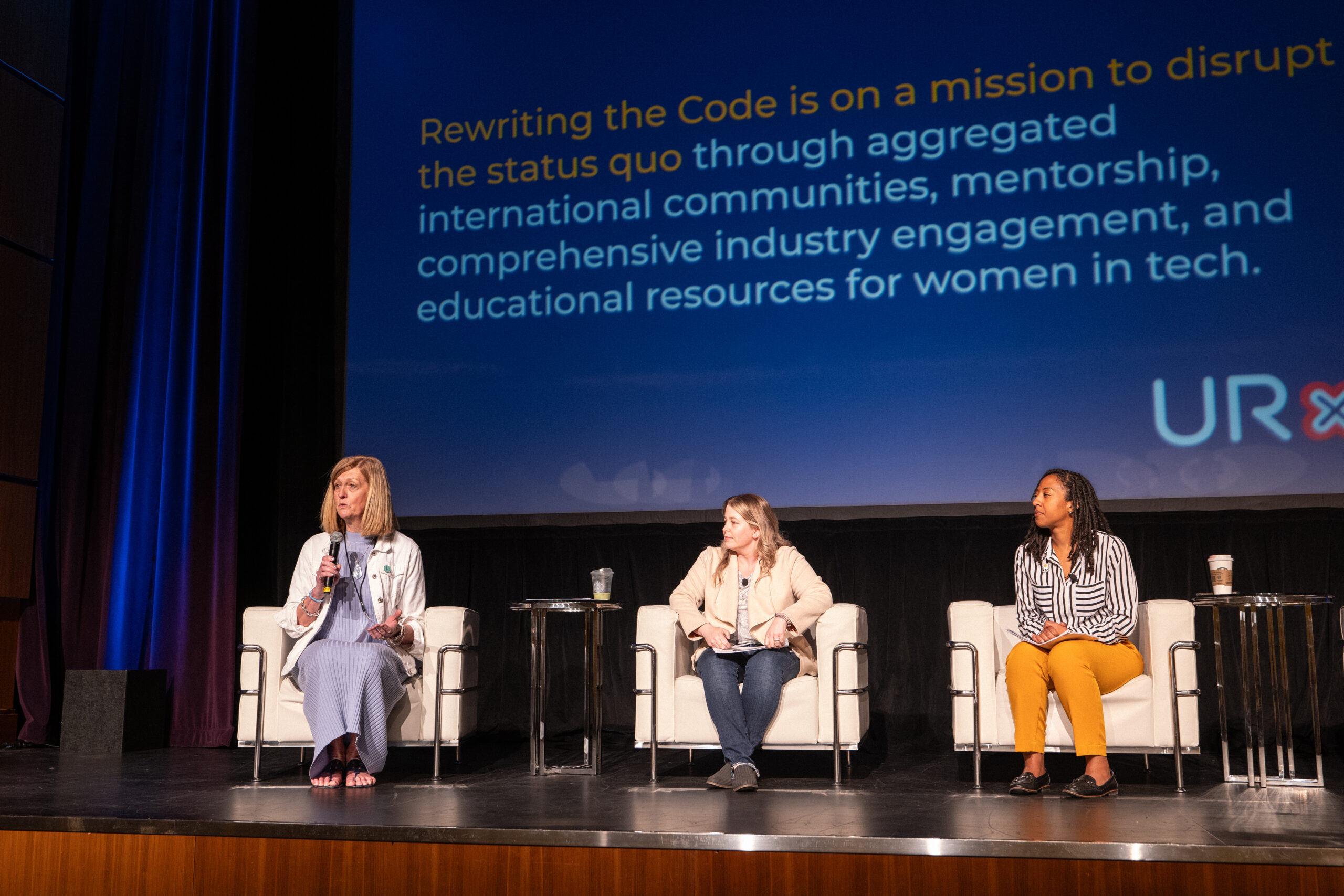
Talent communities, student organizations, and workforce programs often know candidates better than any job board. Organizations such as ColorStack, Rewriting the Code, and others build relationships with talent long before recruiting season. Partnering with them year-round gives recruiters access to candidates who are already prepared and supported.
4. Rethink the signals you hire on
AI-assisted applications make résumés and cover letters less useful as signals. Strong teams are shifting toward work samples, project-based assessments, structured interviews, and evidence of how candidates learn, not just what they already know.
5. Measure success after the offer
Offer acceptance is not the finish line. Programs that can show retention and performance at 12 and 24 months make a far stronger case for budget than programs that report on hires alone. That requires working with HRBPs and early career program leaders after the offer, which is where L&D teams take over.
6. Stay visible even when you’re not hiring much
Students and career services remember who showed up. Guest lectures, workshops, mentoring, and consistent communication keep relationships alive at a fraction of the cost of a full recruiting presence, and they make it easier to scale back up.
The bigger picture
University recruiting is one phase of a longer lifecycle. What happens before recruiting (how talent is prepared) and after it (whether hires stay and grow) determines whether a campus program is worth it. The recruiters making the strongest case for their programs are the ones connected to both.
That’s the conversation at URx 2027: university recruiters alongside the universities, communities, researchers, and L&D leaders who shape early careers before and after the offer.