
You prepare the talent. The hiring decision happens somewhere else.
This is for university employer relations and career services teams, and for the talent communities and workforce organizations that build pipelines outside the campus system. You share one problem: the people who decide who gets hired rarely sit in your meetings. At URx they’re in every session.
What’s on your desk
Employers pulling back from campusFewer visits, smaller career fairs, more virtual everything. Which employers are still investing, and what would bring the others back?
Proving outcomesPresidents, boards, and funders want placement rates and first-destination data. How do you collect it, and how do you show it in a way employers care about?
“Graduates aren’t ready”Employers say it while students use AI to apply to 200 roles. What does readiness mean now, and who should teach it?
From sponsor to hiring partnerEmployers will sponsor an event. Getting them to commit to hiring is harder. What moves a partner from logo to headcount?
Placement when entry roles shrinkYour students and members are competing for fewer first jobs. Where are the openings, and which skills are employers actually screening for?
Partner, not vendorHow do you get recruiting teams to treat you as part of their pipeline instead of one more vendor?
Where you’ll work on it
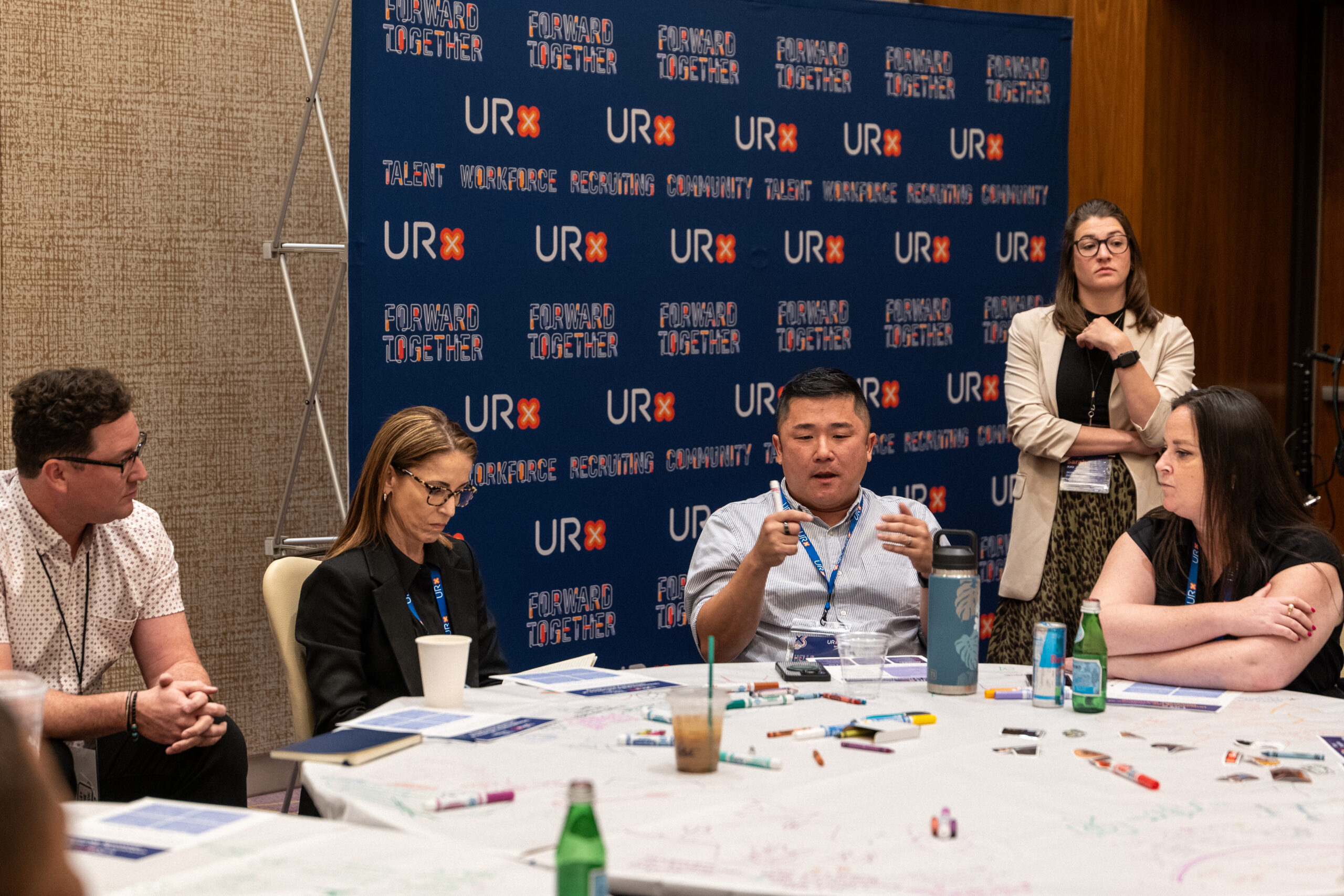
Employer relations roundtablesMixed tables of career services teams, community leaders, and the recruiters who hire from you.
WorkshopsAn employer relations lab on tiering partners: what each tier gets and what it gives.
Main StageSessions on readiness, pathways, and what AI means for the first job.
Research ShowcaseNew evidence on career readiness you can take back to your institution or your funders.
Who you’ll meet
University and early talent recruiters, the funders who back pathway programs, and the L&D teams who see how your graduates do after year 1.